
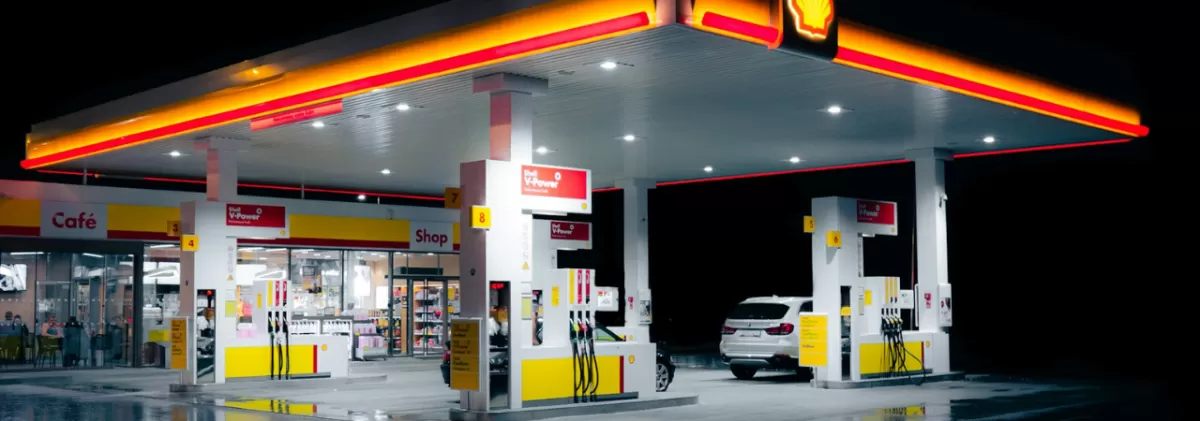
Buying a petrol station is a different animal to buying commercial property you lease out to someone else.
You're financing both the real estate and the operational business, which means lenders assess not just the land and buildings but the fuel throughput, convenience store revenue, franchise agreements, and whether you've got the experience to run it. Most petrol station acquisitions sit between $2 million and $6 million depending on location and turnover, and lenders typically want to see at least 30% deposit plus evidence you understand the industry. The most useful thing to know upfront is that fuel retail finance is assessed on serviceability from trading performance, not just property value.
What Lenders Actually Assess When You Buy a Petrol Station
Lenders look at three main things: the property itself, the business financials, and your operational background. They'll want to see at least two years of trading history showing consistent fuel volumes and margin per litre, plus profit and loss statements that account for the franchise fees, fuel supplier agreements, and any rent you'll pay if the land is leasehold rather than freehold. If you've never run a service station before, expect closer scrutiny and possibly a higher deposit requirement.
Consider a buyer looking at a freehold site near Terrigal Drive in Wamberal. The property includes four bowsers, a convenience store, and a small mechanical workshop on a 1,800 square metre block. The asking price is $3.2 million, and the current owner has provided audited financials showing annual fuel throughput of 3.8 million litres and store revenue of $680,000. The buyer has operated a franchise cafe for eight years but has no fuel retail background. The lender approved the deal at 65% LVR, requiring a $1.12 million deposit, because the fuel volume was solid and the buyer demonstrated transferable retail management experience. They structured the loan with a variable interest rate and required quarterly reviews of trading performance for the first two years.
How Deposit Requirements Work for Fuel Retail Acquisitions
Most lenders will finance between 60% and 70% of the purchase price for an established petrol station with strong trading history. If you're buying a leasehold site or the business has inconsistent financials, that drops to 50% or 60%. The deposit needs to come from genuine savings or equity in other property, and you'll also need to cover stamp duty, legal fees, stock-on-hand at settlement, and franchise transfer costs if you're taking over an existing brand agreement.
Stock-on-hand can be $80,000 to $150,000 depending on fuel prices at settlement and how much inventory is in the convenience store. That's on top of your deposit and settlement costs, so total cash required is often 35% to 40% of the purchase price even if the lender is funding at 65% LVR. If you're planning to use equity from your home in Wamberal, the lender will value both the residential property and the commercial asset separately and assess your ability to service both loans from the station's projected income.
Ready to get started?
Book a chat with a Mortgage Broker at Lemon Tree Finance today.
Franchise Agreements and How They Affect Your Loan Structure
Most petrol stations operate under a franchise or supply agreement with a major fuel brand. The lender will review the agreement to check the remaining term, renewal options, exclusivity clauses, and any performance conditions that could affect your ability to trade. If the franchise term is less than ten years with no clear renewal pathway, some lenders won't touch it. Others will lend but structure the loan term to match the franchise expiry.
In our experience, buyers underestimate how much control the franchise agreement gives the supplier. You might be locked into fuel pricing, required to stock certain products in the store, or obligated to upgrade equipment at your own cost during the term. Lenders want to see that the agreement allows you enough margin to service the loan, pay yourself, and maintain the site. If the franchise fee is a percentage of fuel sales, they'll model that into the serviceability calculation and reduce the borrowing capacity accordingly.
Leasehold vs Freehold: What It Means for Commercial Finance
Some petrol stations are sold as freehold, meaning you own the land and buildings. Others are leasehold, where you buy the business and equipment but lease the land from the fuel company or another landlord. Freehold sites attract lower interest rates and higher LVR because the lender has security over the real estate. Leasehold deals are treated more like business acquisitions, with lower LVR and higher rates because the only tangible security is the plant, equipment, and goodwill.
If you're buying leasehold, expect to put down 40% to 50% and pay a rate that's closer to unsecured business lending than commercial property finance. The lease term matters too. A 10-year lease with two five-year options is far more attractive to a lender than a five-year lease with no renewal clause. If you're looking at a leasehold site, make sure the lease is assignable and that the landlord has consented to the transfer before you go too far down the finance path.
Interest Rates and Loan Terms for Petrol Station Purchases
Variable interest rates for commercial property loans secured against freehold petrol stations typically sit above standard commercial property rates due to the operational risk. Fixed interest rate options are available, usually for three to five years, but the rate will reflect the lender's view of fuel retail volatility. Most buyers choose variable because it allows flexibility to make extra repayments and refinance if trading performance improves or if you want to expand.
Loan terms are usually 15 to 20 years, with principal and interest repayments structured to match the business cash flow. Some lenders offer interest-only periods for the first one to three years, which can help if you're planning upgrades or expect turnover to grow. If you're financing a leasehold purchase, the loan term might be capped at the lease length, so a 10-year lease means a 10-year loan unless the lender is confident in renewal prospects.
What Happens If You Want to Upgrade or Expand After Purchase
Many buyers want to add a car wash, expand the convenience store, or upgrade fuel tanks and bowsers after settlement. Lenders will sometimes include a buffer in the original loan for planned capital works, but you'll need quotes, council approval, and a clear plan for how the upgrade increases revenue. If you're applying for additional funds post-settlement, expect a full reassessment based on actual trading performance since you took over.
Consider a scenario where a buyer purchases a station and wants to install a drive-through car wash six months later. The lender approved an additional $180,000 based on projected wash revenue of $120,000 per annum and a payback period of under two years. The approval was conditional on the buyer demonstrating consistent fuel sales and store margin since settlement. The buyer provided six months of bank statements showing steady cash flow, and the lender advanced the funds as a progressive drawdown linked to construction milestones. That kind of staged funding is common for post-purchase upgrades and keeps the loan amount aligned with actual project spend.
How Lemon Tree Finance Approaches Petrol Station Acquisitions
We work with lenders who understand fuel retail and won't treat your purchase like a generic commercial property deal. That means getting your financials, franchise documents, and trading history in front of the right credit team from the start, and structuring the loan so repayments match your cash flow rather than a standard principal and interest formula. We'll also walk you through what the lender needs to see before formal application, so you're not scrambling for documents or explanations halfway through the process.
If you're looking at a petrol station in Wamberal or anywhere on the Central Coast, call one of our team or book an appointment at a time that works for you. We'll go through the numbers, work out what you can borrow, and connect you with lenders who actually write fuel retail deals.
Frequently Asked Questions
How much deposit do I need to buy a petrol station?
Most lenders require 30% to 40% deposit for a freehold petrol station with solid trading history, financing 60% to 70% of the purchase price. Leasehold sites often need 40% to 50% deposit due to higher risk. You'll also need to cover stock-on-hand, stamp duty, and franchise transfer costs separately.
Do I need fuel retail experience to get finance for a petrol station?
Not always, but it helps. Lenders prefer buyers with fuel retail or relevant business management experience. If you're new to the industry, expect closer scrutiny, possibly a higher deposit requirement, and more emphasis on the trading history and franchise support.
What's the difference between freehold and leasehold petrol station finance?
Freehold means you own the land and buildings, which attracts higher LVR and lower rates because the lender has property security. Leasehold means you lease the land, so lenders treat it more like a business acquisition with lower LVR, higher rates, and loan terms tied to the lease length.
Can I finance upgrades or expansions after buying a petrol station?
Yes, many lenders will provide additional funds for upgrades like car washes or store extensions after settlement. You'll need quotes, council approvals, and evidence of consistent trading performance since purchase. Funds are typically advanced as a progressive drawdown linked to project milestones.
How do lenders assess serviceability for a petrol station loan?
Lenders assess fuel throughput, margin per litre, convenience store revenue, and net profit after franchise fees and operating costs. They'll want at least two years of audited financials and will model repayments against projected cash flow, not just property value.